
Newsletter Articles
July Newsletter Articles
WHEN A CHURCH BORROWS - Faith, Wisdom, and Room for God to Move

For a church, borrowing is never only a financing decision. It is a ministry decision that commits future resources to a present opportunity.
Churches may borrow for many faithful purposes. A growing congregation may need classrooms, worship space, or renovations that expand ministry. A loan may support staff additions when new leadership is essential before giving has fully caught up. Churches also borrow to purchase property, construct new facilities, repair roofs or mechanical systems, improve accessibility, install safety or technology upgrades, refinance costly obligations, or acquire vans and buses for children, youth, senior adults, and community outreach. In some cases, financing allows ministry to begin now while the cost is shared by those who will benefit over many years.
A Wesleyan and Biblical Framework
John Wesley’s guidance to gain all we can, save all we can, and give all we can provides a useful framework. A proposed loan should strengthen the church’s ability to make disciples and serve its neighbors—not simply satisfy institutional ambition. Wesleyan stewardship also values prudence, simplicity, accountability, and care for the vulnerable. The question is not merely whether the church can make the payment, but whether the commitment leaves room for generosity, mission, and changing needs.
Scripture commends both vision and careful preparation. Jesus tells builders to count the cost before beginning (Luke 14:28–30). Proverbs teaches that plans benefit from many advisers (Proverbs 15:22) and warns that borrowers become obligated to lenders (Proverbs 22:7). At the same time, the parable of the talents calls God’s people to put entrusted resources to fruitful use (Matthew 25:14–30). Together, these passages encourage neither fear nor recklessness, but prayerful courage supported by sound analysis.
Weighing Benefits and Challenges
Debt can accelerate ministry, preserve cash reserves, match payments to the useful life of an asset, and prevent one generation from bearing the entire cost of a long-term facility. However, debt also adds interest expense, creates fixed monthly commitments, and may restrict ministry during declining attendance, leadership transitions, or economic stress. Finance committees should test conservative giving assumptions, review reserves and deferred maintenance, evaluate insurance needs, communicate clearly with the congregation, and obtain appropriate legal and financial counsel.
Terms That Leave Room to Respond
Church loans commonly include a 15- to 25-year amortization schedule, monthly principal-and-interest payments, and a 5- to 10-year maturity when the remaining balance must be renewed, refinanced, or paid. Rates may be fixed for the full loan or only for an initial period. Lenders may also require an appraisal, loan-to-value limit, debt-service coverage, financial reporting, and approval of major changes. Terms vary by lender and project.
Flexibility matters because ministry rarely unfolds exactly as projected. Churches should ask about penalty-free prepayments, extra-principal options, interest-rate adjustment provisions, renewal expectations, construction draw procedures, and the ability to modify payment timing if circumstances change. Flexible payoff terms can allow a capital campaign, unexpected gift, property sale, or season of strong giving to reduce debt quickly. They can also preserve room to respond when God opens an unanticipated ministry opportunity.
Begin the Conversation
A well-structured loan should serve the church’s mission rather than define it. Begin with prayer, a clear ministry purpose, realistic projections, congregational trust, and terms that support both responsibility and responsiveness. Churches considering a loan are encouraged to contact Todd Marion for an introduction to our lending partners, assistance with initial loan inquiries, and further information about the financing process. You can reach Todd at todd@methodistfm.org or by calling the Foundation at 601-948-8845.
Saving Grace: MANAGING DEBT - With Wisdom and Grace
Debt is not merely a mathematical issue; it is a spiritual and practical commitment that shapes our freedom, relationships, generosity, and peace.
The Saving Grace approach invites us to view money through the lens of faithful stewardship. Everything we possess ultimately belongs to God, so the central question is not simply, “Can I borrow?” but, “Will this obligation help me use God’s resources faithfully?” Debt is not automatically sinful, yet Scripture consistently treats it as serious because it limits future choices and places a claim on tomorrow’s income.
When Debt May Be Necessary
At times, borrowing can provide access to something important that would otherwise be out of reach. A reasonable mortgage can secure stable housing. Education or vocational training may increase a person’s ability to serve and earn. A carefully evaluated business loan may create productive opportunity, and emergency borrowing may be necessary when health, safety, or essential transportation is at stake. In these situations, debt can spread the cost of a long-lasting benefit over the years it will be used.
The Benefits—and the Challenges
Wise debt can build an asset, address a genuine need, or improve future earning capacity. It can also provide flexibility during an unusual season. Yet every loan has a cost. Interest raises the true purchase price; payments reduce future cash flow; variable rates create uncertainty; and excessive debt can bring anxiety, conflict, and less freedom to save or give. Consumer debt is especially dangerous when it finances a lifestyle that current income cannot support. What begins as convenience can become bondage.
Biblical and Wesleyan Wisdom
Proverbs 22:7 warns that “the borrower is servant to the lender.” Romans 13:8 urges believers to “owe no one anything, except to love one another,” emphasizing the faithful fulfillment of obligations. Jesus also teaches us to count the cost before beginning a commitment (Luke 14:28). Together, these passages call for honesty, foresight, contentment, and repayment—not fear or shame.
John Wesley’s counsel to “gain all you can, save all you can, and give all you can” offers a practical test. Borrowing should never depend on harmful earning, careless spending, or the sacrifice of generosity. Wesleyan stewardship seeks simplicity and freedom: we earn without harming others, avoid waste, provide responsibly for our households, and direct resources toward God’s purposes. Debt that repeatedly postpones these practices deserves careful reconsideration.
A Wise Path Forward
Before borrowing, pray, seek trusted counsel, compare the total cost, and test the payment against a realistic budget. Distinguish needs from wants, preserve an emergency reserve when possible, and choose the smallest obligation with the clearest repayment plan. If debt already feels overwhelming, begin without shame: list every balance, stop adding new consumer debt, make consistent payments, and seek reputable help. Grace meets us where we are, while wisdom helps us take the next faithful step.
Personal Reflection
- Which of my current debts supports a genuine need or lasting benefit, and which may reflect impatience, pressure, or lifestyle spending?
- How are my monthly debt payments affecting my ability to save, give generously, care for my household, and respond to God’s call?
- What one practical step can I take this month to borrow more wisely or move toward greater financial freedom?
Is the Price Right?

When I was a kid, my grandmother had two shows she never missed. She watched them every day. Because of this, I grew up watching As the World Turns, which wasn’t really meant for an eight-year-old, and The Price Is Right. We often argued about a simple question, “What is the cost of this item?” I still smile when I think about those lively discussions.
For more than 50 years, Bob Barker, and now Drew Carey, have asked contestants to guess-timate the value of everyday items. It’s fun to watch, but it also teaches an important lesson about making wise choices. The real question isn’t just “What does it cost?” but “Is the price right?” This way of thinking can help us save, invest, and manage what we have.
Our lives aren’t shaped by a single decision. Our futures are shaped by the thousands of small choices we make daily. Things like buying now or saving for later; investing wisely; chasing excitement; spending to impress; or spending to live out our values. How we plan to use money is really about what we value. It shows what we trust and hope for.
The Bible tells us Jesus taught that true wisdom is found in things that cannot be measured by earthly standards. In Matthew 13, He describes His father’s kingdom as a treasure and a pearl so valuable that people should give up everything to gain it. Realistically, we know that not every deal is wise, and not every bargain is good. Real value is often hidden, but once we learn to recognize it, it shapes the way we live and what we pursue.
In Romans 12:2, Paul urges us to let God change how we think so we can understand what truly matters to Him. This new attitude will allow us to focus on living according to God’s will instead of just following the world’s values. In Matthew 6:19–21, Jesus reminds us that earthly possessions are temporary and can distract us from what is most important. These passages guide us to use everything God has given us- our time, abilities, resources, and money- in ways that honor Him and help His kingdom grow. Stewardship isn’t about collecting wealth or things for ourselves, but about making sure our treasures are invested in what has eternal value and truly helps others for God’s glory. In short, focus your efforts on what lasts longer than money.
So when you think about money, whether you’re buying a cup of coffee, budgeting, saving for emergencies, investing for retirement, or deciding what to buy, try asking yourself one question:
Is it worth it?
It’s not just about asking, “Can I afford this?” You should also ask, “Does this choice mirror what I value?”. No matter what you choose, be it wisdom over hype, instant gratification over stability, or generosity over short-term satisfaction. The price always matters. What lasts forever matters even more.
That’s why it helps to add “Is it worth it?” to your way of thinking. Before you splurge, save, or invest, pause for a few minutes and ask yourself: (1) Will this choice help me serve God’s kingdom in a clear way? (2) How will this affect my time, attention, and relationships? (3) Is this a selfish impulse buy, a decision to store up treasure, or an investment in what lasts?
Once you’ve thought through these points and made a decision, set a goal. You might set aside the impulse purchase for later by saving for it, choosing a specific amount to give, making a slower-paced purchase, or redirecting your spending toward a need or ministry you care about. In a world full of Amazon Prime same-day delivery and instant gratification, any kind of careful consideration can remind you that money should be used as a tool for devotion, not just a reaction to “I want it…”. After all, wise stewardship means recognizing that every financial choice is both a spiritual and practical decision.
So, when we pause to organize our money habits with standards of the Lord, we shift from simply asking, “Is this purchase necessary and affordable?” to questioning, “Does this purchase honor God? Is it an impulse? Am I spending money on what I value and investing in what lasts?” Wealth isn’t measured by what we physically have and keep, but by how much we invest, whether it be money or gifts and graces, in God’s kingdom and the lives of others. So here’s a challenge: Take one purchase or habit that feeds your desire for instant gratification and set that money aside for what God has shown you truly matters. Adjust your spending so your treasure truly benefits others for God’s glory. ~ Jennifer
June Newsletter Articles
Preparing Today for Tomorrow's Ministry: The Importance of Intermediate Savings
 Healthy churches recognize that faithful stewardship requires more than meeting today’s bills. It also means preparing wisely for tomorrow’s ministry opportunities. Church leaders often think in terms of two categories of savings: short-term operating reserves and long-term endowments. Yet there is a valuable third category that deserves equal attention—intermediate savings.
Understanding the difference between these three types of savings can strengthen a church’s financial health and increase its ability to respond faithfully when ministry opportunities arise.
Short-term savings exist to support the day-to-day operation of the church. These funds provide liquidity for payroll, utilities, insurance premiums, ministry programming, and unexpected operational expenses. They ensure that ministry continues uninterrupted even when giving fluctuates or unforeseen costs arise. These funds should remain readily available because they may be needed at any time.
Long-term savings, on the other hand, are invested for ministry that has not yet been defined. Endowment funds and permanent reserves are established to bless future generations. We do not know exactly what opportunities God will place before the church decades from now, but we trust that faithful stewardship today will provide resources for tomorrow’s mission.
Between these two categories lies intermediate savings—funds intentionally set aside for a ministry need that is already known, even if the exact timing remains uncertain.
Every congregation has projects like these.
The HVAC system has served faithfully for many years, but everyone knows its replacement is approaching. The fellowship hall needs renovation to better serve the congregation and community. A church van will soon be needed to expand the senior adult ministry or transport youth to camps and retreats. A mission trip is already planned for next spring. Perhaps the congregation anticipates expenses related to welcoming a new pastor or launching a new outreach ministry.
These are not unexpected emergencies, nor are they distant dreams. They are known ministry needs that simply require preparation.
Rather than waiting until the need becomes urgent, churches can establish intentional intermediate savings goals. Leaders can estimate the expected cost, determine a reasonable timetable, and calculate how much should be saved each month or quarter. As progress is tracked, the congregation gains confidence by seeing tangible movement toward a meaningful ministry objective.
Intermediate goals also create wonderful opportunities for stewardship education. When members understand the vision behind a project, generosity often follows. Special offerings, designated gifts, memorial contributions, matching campaigns, or focused fundraising efforts can all accelerate progress toward a clearly defined goal. People enjoy giving to a purpose they can see, understand, and celebrate.
Another advantage of intermediate savings is that these funds often have an investment horizon longer than operating reserves. Because the project may be several years away rather than several months away, churches can consider investment strategies that seek greater returns while maintaining a level of risk appropriate for the expected timeframe. The investment strategy should always match the anticipated use of the funds. Resources needed in the near future should remain conservative, while projects several years away may allow for a modestly higher allocation to growth-oriented investments. Matching investments to the project’s timeline allows the church’s resources to work productively while preserving an appropriate level of prudence.
When the savings goal is reached and the project is completed, the congregation has another opportunity—to celebrate. Whether dedicating a renovated fellowship hall, commissioning a mission team, welcoming a new pastor, or placing a new church van into service, these moments become visible reminders of God’s provision and the congregation’s faithful stewardship. Celebration reinforces the value of planning and encourages future generosity. Celebration acknowledges God as the provider and giver of all resources.
Church finance leaders have the privilege of helping congregations think beyond today’s budget and tomorrow’s uncertainties. By intentionally distinguishing between short-term, intermediate, and long-term savings, churches become better prepared to respond to God’s calling.
In simple terms:
- Short-term savings provide for known operational expenses and unexpected day-to-day needs that require immediate access to funds.
- Intermediate savings prepare for known ministry projects and capital needs that are expected in the coming months or years, even if the exact timing is uncertain.
- Long-term savings invest for future ministry opportunities that are not yet known, ensuring that generations to come will have resources to continue Christ’s work.
Each category serves a unique purpose. Together, they create a balanced stewardship strategy that equips the church to serve faithfully today, prepare wisely for tomorrow, and leave a lasting legacy for the future.
The Methodist Foundation of Mississippi would be honored to help you navigate the steps of setting financial goals, establishing a fund raising strategy and investing funds for growth. Please reach out to Todd (662-770-0375 or todd@methodistfm.org) or Michelle (601-948-8845 or michelle@methodistfm.org) to discuss how we can partner with you in these areas.
Saving Grace: Goal Setting That Honors God

John Wesley encouraged believers to “gain all you can, save all you can, and give all you can.” Those familiar words remind us that faithful stewardship is never simply about accumulating resources—it is about using God’s gifts intentionally to accomplish God’s purposes. The Saving Grace curriculum teaches that financial stewardship begins with recognizing that everything belongs to God and that we are called to be faithful trustees rather than owners. Once we embrace that truth, setting financial goals becomes an act of discipleship.
Scripture teaches us to approach planning with wisdom and purpose. Proverbs 21:5 reminds us, “The plans of the diligent lead surely to abundance, but everyone who is hasty comes only to poverty.” Likewise, Jesus encouraged thoughtful preparation when He asked, “Which of you, desiring to build a tower, does not first sit down and count the cost?” (Luke 14:28). Planning is not a lack of faith; rather, it is faithful stewardship of the resources God has entrusted to us.
The first step in biblical goal setting is to establish clear, prayerful goals. Ask questions such as: How can my spending better reflect my faith? How can I reduce debt? How much should I save for emergencies? How can I become more generous? Churches might ask similar questions: How can we strengthen our mission budget? Build an endowment? Eliminate debt? Expand outreach? Clear goals provide direction and allow us to intentionally align our financial decisions with God’s calling.
The second step is to track progress consistently. Goals that are never measured are often forgotten. Whether using a written budget, savings tracker, or regular financial reports, reviewing progress helps us remain focused. Saving Grace emphasizes that stewardship is a lifelong journey of intentional choices, not a one-time event. Small, faithful decisions made month after month often produce significant Kingdom impact over time.
Third, invite accountability. Wesley understood that spiritual growth flourishes in Christian community. The early Methodists met regularly in class meetings where believers encouraged one another toward holy living. Financial stewardship benefits from the same approach. Married couples should regularly review goals together. Church finance committees should celebrate progress and discuss challenges openly. Trusted friends or mentors can provide encouragement, wisdom, and accountability when motivation begins to fade. As Ecclesiastes 4:9-10 reminds us, “Two are better than one…for if they fall, one will lift up his fellow.”
As goals are accomplished, it is important to pause and reassess. A family that reaches its emergency savings goal may now focus on eliminating debt, increasing generosity, or preparing for retirement. A congregation that completes a building project may shift its attention toward missions, scholarships, or community outreach. Stewardship is dynamic because God’s mission continues to unfold throughout our lives. Reaching one goal often creates the opportunity to pursue an even greater Kingdom purpose.
Finally, celebrate what God has done. Celebration reminds us that every accomplishment is ultimately the result of God’s provision and our faithful response. In Scripture, God’s people regularly paused to remember His faithfulness before moving on to the next season of ministry. When a family becomes debt-free, when a church funds a new ministry, or when generosity changes someone’s life, we should give thanks together. Celebration strengthens our faith and inspires others to become faithful stewards as well.
One of the greatest gifts we can give the next generation is teaching children and young adults to set financial goals early in life. Encourage them to divide money into categories for giving, saving, and spending. Help them save for meaningful purchases rather than relying on debt or impulse buying. Invite them to participate in family giving decisions and celebrate when they reach savings goals. These simple habits cultivate patience, gratitude, generosity, and wisdom—qualities that will serve them throughout their lives. As Proverbs 22:6 teaches, “Train up a child in the way he should go; even when he is old he will not depart from it.”
Faithful stewardship is not measured merely by the size of our bank account or church budget. It is measured by whether our financial decisions reflect our trust in God and advance His Kingdom. Prayerful goal setting, diligent tracking, loving accountability, thoughtful reassessment, and joyful celebration enable us to become better stewards of all that God has entrusted to our care.
Reflection Questions
- What financial goal is God calling you—or your church—to pursue over the next twelve months, and what first step can you take this week?
- Who can serve as a trusted accountability partner to encourage you and help you remain faithful to your stewardship goals?
- How will you intentionally celebrate God’s provision when a financial goal is reached, and how might that celebration inspire greater generosity and Kingdom impact?
Beyond the Welcome Mat

“He who receives you receives me, and he who receives me receives the one who sent me… And if anyone gives even a cup of cold water to one of these little ones because he is my disciple, he will certainly not lose his reward.” – Matthew 10:40–42 (NIV)
We have a welcome mat at our house. It is simple and direct. But I like it. It says exactly what it means. “Come on in. You are welcome in my home. We are willing to share our blessings (and doggy love) with you.”
I think of the welcome mat as more than just an entry to your home. I believe that it should remind us to approach all our choices with the same openness and generosity. This spirit of welcome shapes how we handle our finances. Are we willing to share what we have, or do we hold our resources close?
Jesus’ words in Matthew remind us that hospitality, including how we use our finances, is an expression of our faith. Generosity is one way we welcome Christ into our lives. But what does it look like to welcome others each day?
It means being willing to share our time, money, and skills whenever we can. It invites us to ask: Are we helping those in need, even if they are different from us? Do we give without expecting anything in return? Are we supporting people and missions beyond our usual circles?
These questions are just as important within the church. Our churches are called to be places where everyone is welcomed in Christ’s spirit. Yet sometimes, we unintentionally create barriers- by staying quiet, not reaching out, avoiding those in need, or overlooking someone new. Picture someone visiting your church for the first time. Do they feel seen and welcomed? Are we greeting them, offering a smile, and helping them feel at home? Are we inviting them to join and share what we have?
True welcome goes beyond appearances. It calls us to be generous, both financially and spiritually, to everyone- not just those who are familiar to us. When we give of ourselves- through our resources or our care-we are welcoming Christ. Holding back our generosity can mean missing the chance to meet Him in others. Even small acts, like buying someone a coffee, paying for a meal, or giving to a community need, matter. These gestures are not small. They are meaningful ways to live out our faith.
Just as a welcome mat signals openness, our finances can reflect a clear and intentional spirit of generosity. We are called to practice this with honesty and consistency. Welcoming others is not about being perfect or impressive. It is about being open. It means using what we have to make space for others, just as Christ made space for us.
Let’s put our welcome into action. Look for opportunities every day to offer genuine hospitality- whether it’s inviting someone in, sharing a meal, lending our time, or supporting a community need. Be intentional in making others feel seen, valued, and included, reflecting Christ’s love through your generosity. I urge you to choose one way to extend a true welcome. I don’t think you’ll regret it.
Join our creative generosity challenge!
Take a photo of your doormat and post it on Facebook. Be sure to tag the Methodist Foundation of Mississippi in your post.
In your caption, include:
- What your doormat represents about your home and your view of generosity
- One specific way you have shown generosity and faith in your church or community
After two weeks, we’ll select the top three most creative and meaningful entries to feature on our page. Each of the top three participants’ churches will receive a donation in the participant’s name, helping to continue the acts of generosity they shared.
We can’t wait to see your creativity and generosity in action!
Ready? Set? Go!
~ Jennifer
May Newsletter Articles
Church Savings as Ministry Strategy: Building Financial Strength for Future Ministry

Healthy churches do not simply manage money month to month—they develop faithful financial strategies that sustain ministry for both today and tomorrow. One of the most overlooked areas of church stewardship is the importance of building intentional savings into the church budget and teaching the congregation why those savings matter for future ministry impact.
In the Saving Grace curriculum by Abingdon Press, stewardship is consistently framed as discipleship. Churches are called not only to encourage generosity, but also to model wisdom, planning, and faithful resource management. Saving is not a lack of faith; rather, wise planning allows churches to remain stable during uncertainty and prepared for future opportunities God may place before them.
Scripture repeatedly affirms the value of preparation and wisdom. Proverbs 21:20 reminds us:
“The wise store up choice food and olive oil, but fools gulp theirs down.”
For churches, this principle means financial planning should include intentional reserves and savings strategies. A church budget should not simply account for immediate expenses, but also include planning for future ministry needs, emergencies, capital improvements, mission opportunities, and long-term sustainability.
Many churches operate with little financial margin, leaving ministries vulnerable during economic downturns, unexpected expenses, or seasonal giving fluctuations. Developing savings within the church budget creates stability and flexibility. It allows church leaders to focus on ministry rather than constant financial crisis management.
An effective church savings strategy recognizes that different funds often have different time horizons and purposes.
Short-term reserves should remain liquid and easily accessible. These funds may cover operating fluctuations, emergency repairs, payroll protection, insurance deductibles, or unplanned ministry needs. Churches benefit from having reserves that are stable, accessible, and earning competitive returns while remaining available for ministry deployment.
Intermediate-term savings may support future building improvements, equipment replacement, ministry expansion, or anticipated capital projects over the next several years. These funds can often be invested with a balance between growth and stability, recognizing that the church may not need immediate access but still desires prudent stewardship.
Long-term funds and endowments often support future generations of ministry. These resources may be designated for scholarships, missions, outreach, clergy support, or permanent ministry initiatives. Long-term investment strategies allow churches to pursue growth over time while helping sustain ministry far into the future.
Church leaders should also carefully consider how church savings are working while they are waiting to be deployed for ministry. Too often, substantial church balances remain idle in low-earning accounts for extended periods of time. Every dollar entrusted to the church represents Kingdom resources that should be stewarded wisely and intentionally. Church savings should not only remain secure and accessible when needed, but should also work productively to strengthen future ministry opportunities.
John Wesley’s teaching to “Gain all you can, save all you can, give all you can” reflects a balanced understanding of stewardship. Wise saving strengthens the church’s future capacity for ministry and generosity.
Equally important is teaching these principles to the congregation. Churches should encourage families and individuals to develop their own faithful financial plans that include giving, saving, and wise spending priorities. Financial discipleship is an important part of spiritual discipleship. Congregations benefit when church leaders openly model healthy stewardship, planning, and transparency.
The church has an opportunity not only to teach generosity, but also to teach wisdom, contentment, planning, and long-term stewardship. When churches model these principles institutionally, they reinforce those same values personally within the lives of their members.
Now is an important time for churches and church leaders to evaluate their financial strategies, reserves, and long-term ministry sustainability plans. The Methodist Foundation of Mississippi stands ready to help churches engage in thoughtful conversations about stewardship strategy, savings structures, investment options, long-term ministry impact, and faithful financial planning for future generations of ministry. Please reach out for more discussion through Michelle Veazey (601-948-8845 or michelle@methodistfm.org) or Todd Marion (662-770-0375 or todd@methodistfm.org). Please visit our website at methodistfm.org
Saving Grace: Developing a Personal Savings Plan
 In the Saving Grace study by Abingdon Press, one of the foundational truths emphasized is that everything we have ultimately belongs to God. Psalm 24:1 reminds us, “The earth is the Lord’s and everything in it.” As Christians, we are not owners of our resources—we are stewards entrusted with managing God’s blessings faithfully. That stewardship includes not only giving generously, but also saving wisely and planning responsibly for the future.
John Wesley famously taught:
“Gain all you can, save all you can, give all you can.”
Wesley did not promote saving simply to accumulate wealth. Rather, he believed wise saving allowed Christians to care for their families, avoid unnecessary debt, prepare for future needs, and create greater opportunities for generosity and ministry.
For many families today, developing a savings plan can feel overwhelming. Rising costs, raising children, housing expenses, healthcare, education, and daily living demands can make saving seem impossible. Yet faithful stewardship begins not with how much we make, but with how intentionally we manage what God has already entrusted to us.
A healthy savings strategy begins with prioritizing your spending plan. Saving should not be treated as “whatever is left over at the end of the month.” Instead, it should become a regular discipline built into the family budget. Just as we intentionally plan for housing, groceries, transportation, and giving, we should intentionally plan for saving.
One helpful principle from Saving Grace is the importance of aligning our financial decisions with our values. Every dollar we spend reflects our priorities. Jesus said in Matthew 6:21:
“For where your treasure is, there your heart will be also.”
A practical way to begin is by developing a simple spending plan that prioritizes four areas:
- Giving
- Saving
- Essential living expenses
- Lifestyle spending
Too often, families reverse this order and save only after all discretionary spending is complete. Faithful stewardship encourages us to give and save first, then structure the remainder of our spending around what is truly necessary.
Building savings also requires establishing different goals with different time horizons. Not all savings should be invested the same way because different needs arise at different times.
Short-term savings should focus on safety and accessibility. Emergency funds, monthly reserves, and anticipated expenses such as car repairs, insurance deductibles, or home maintenance should generally remain in stable and liquid accounts such as savings accounts, money market funds, or short-term investment funds. Financial experts often recommend building three to six months of living expenses in emergency savings over time.
Intermediate savings goals may include future vehicle purchases, children’s education expenses, home improvements, or ministry opportunities. These funds may have a time horizon of three to seven years and can often tolerate a moderate level of investment growth while still maintaining reasonable stability.
Long-term savings, particularly retirement and legacy planning, can typically withstand greater market fluctuations because they have a longer time horizon. Historically, diversified long-term investments have provided greater opportunities for growth over time. Ecclesiastes 11:2 encourages wise diversification:
“Invest in seven ventures, yes, in eight; you do not know what disaster may come upon the land.”
Diversification reminds us not to place all of our resources into one place or one strategy. Wise stewardship includes balancing safety, growth, liquidity, and long-term planning.
For growing families, saving can feel especially difficult during seasons filled with childcare costs, activities, medical expenses, and education needs. However, those seasons are precisely when intentional planning matters most. Small, consistent habits often produce long-term results. Even modest monthly savings can grow significantly over time through consistency and compound growth.
Families should also regularly evaluate spending habits and distinguish between needs and wants. Wesley warned against unnecessary luxury and impulsive spending that distracts us from faithful stewardship. Saving Grace teaches that contentment is a spiritual discipline. In a culture driven by consumerism, Christians are called to practice gratitude, restraint, and intentionality.
One of the most powerful ways to strengthen a family’s financial future is to teach these principles to children and other family members. Children learn stewardship not only from what we say, but from what we model. Parents and grandparents should openly discuss budgeting, saving, generosity, and wise financial decisions in age-appropriate ways.
Children can begin learning stewardship by:
- Setting aside portions of money for giving, saving, and spending
- Participating in family giving decisions
- Learning delayed gratification
- Understanding the difference between needs and wants
- Seeing parents model contentment and discipline
Church leaders also play an important role in modeling faithful stewardship. Congregations are strengthened when pastors and leaders openly encourage biblical financial management, generosity, and wise planning. Financial discipleship is spiritual discipleship.
Saving is not about fear or hoarding. It is about preparation, wisdom, and faithfulness. Proverbs 21:20 teaches:
“The wise store up choice food and olive oil, but fools gulp theirs down.”
Wise saving allows families to weather unexpected storms, support future ministry, reduce financial stress, and create opportunities for generosity. It provides margin for both ministry and life.
As Saving Grace continually reminds us, stewardship is not merely about money—it is about discipleship, priorities, and trust in God. Developing a personal savings strategy is one practical way we honor God with the resources entrusted to us today while preparing faithfully for tomorrow.
Reflection Questions:
- Does my current spending plan reflect my spiritual values and long-term priorities?
- What practical steps can I take in the next 30 days to begin or strengthen my personal savings plan?
- What financial habits and stewardship principles am I modeling for my children, family members, or others who are watching my example?
Water Balloons and the Holy Spirit: Filled with Purpose

“But you will receive power when the Holy Spirit comes on you; and you will be my witnesses…” -Acts 1:8 (NIV)
As my children are grown now, and no one has a summer break, I find myself reminiscing about those days of freedom with fondness and a sense of humor. It’s always easier to appreciate past situations and to find the humor and joy you may have found while in the thick of them.
One memory stands out in particular: a summer afternoon spent with children and a tub of water balloons. The plan was simple: fun, water, and laughter-a perfect way to celebrate the end of the school year. However, when thunder rumbled and lightning flashed, our outdoor plans moved inside. With water balloons off limits, we blew up air-filled balloons and tried to keep the fun going. Yet, the games were frustrating. The air-filled balloons were unpredictable and hard to control; the harder we tried, the less accurate they became. Frustration grew, and I wondered if we should have called the whole thing off.
Eventually, the rain stopped. We moved outside, switching from air-filled balloons to water balloons, and the entire atmosphere shifted. The water balloons soared with purpose and accuracy, bringing laughter and shouts of joy. It became clear that the difference was what filled the balloons.
This shift offers a powerful image that reflects the story of Pentecost: the church, once empty and uncertain, was filled with the Holy Spirit and empowered for God’s mission. Like those water balloons, we are called to be filled, not with emptiness or mere activity, but with God’s Spirit so we can live out our true purpose.
Extending this principle further, it influences every area of our lives, even our finances. Financial stewardship is not just about budgeting or giving; it’s about being filled with God’s wisdom and purpose in how we manage what He has entrusted to us. When we are spirit filled, our financial decisions are guided by generosity, faith, and a desire to serve God’s Kingdom rather than ourselves.
I often wonder- are we living like an air-filled balloon? Are we present, but lacking true power and direction? Or are we filled with the Holy Spirit, ready and equipped to fulfill God’s purpose for our lives? Let’s invite the Holy Spirit into every part of our lives, including our finances, and use what God has given us- our resources, talents, and time with God’s purpose in mind. Today, I am choosing to live a life filled with purpose and Spirit. Will you commit to joining me on this journey? ~ Jennifer
April Newsletter Articles
Faithful Investing in Uncertain Times: A Guide for Church Leaders and Finance Committees

In today’s volatile market environment, church leaders and finance committees face a critical challenge: how to faithfully steward long-term financial resources while navigating short-term uncertainty. Market swings, inflation concerns, and global instability can create anxiety, but they also present an opportunity to reaffirm a disciplined, long-term investment strategy grounded in both financial wisdom and theological conviction.
The reality is that volatility is not new—it is a normal part of investing. Even well-diversified portfolios experience fluctuations as markets respond to economic cycles. Investment leaders consistently emphasize that returns will “rise and fall with the value of the investments held,” reminding us that short-term variability is expected and should not drive long-term decision-making.
For church finance committees, the key is to remain focused on mission, not momentary market movement. Long-term investment strategies are designed to grow assets over time, supporting future ministry, expanding outreach, and creating sustainable income streams through endowments.
This is where the strength of disciplined, professionally managed funds becomes evident. The Methodist Foundation’s Long Term Fund has demonstrated solid performance, with returns of 11.6% over one year and 9.7% over three years. Similarly, the Methodist Foundation Wespath Long Term Fund has delivered 12.0% over one year and 9.2% over three years. These results reflect the power of diversified, long-term investing strategies that are built to weather market cycles while pursuing growth.
Such performance underscores an important principle: time in the market matters more than timing the market. Churches that remain invested through periods of volatility are positioned to benefit from recovery and long-term appreciation. Attempting to move in and out of the market based on short-term concerns often leads to missed opportunities and diminished returns.
Beyond performance, long-term funds serve a deeper purpose in the life of the church. They enable congregations to think generationally. Endowments funded through long-term investments provide ongoing income that can support missions, scholarships, staffing, and community outreach for decades to come. In this way, financial stewardship becomes a form of legacy ministry—impacting not only today’s congregation but future generations as well.
At the same time, prudent financial management requires balance. While long-term investments focus on growth, churches also need liquidity and stability for operational needs. The Methodist Foundation of Mississippi addresses this through its Short Term Fund, which offers a stable rate of 5.35% on the daily balance, recently affirmed by its Investment Committee. This fund provides full liquidity, no fees, and consistent returns, making it an ideal solution for reserves, operating funds, and near-term ministry needs.
Together, these strategies—long-term growth and short-term stability—form a comprehensive approach to church financial management. Finance committees should consider allocating resources across both types of funds, aligning investment horizons with ministry timelines.
Leadership also plays a crucial role in communicating this vision to the congregation. Transparency, education, and a clear articulation of purpose help build trust and encourage generosity. When members understand that their giving is not only meeting immediate needs but also building a foundation for future ministry, it deepens engagement and commitment.
Ultimately, managing church investments in a volatile market is not about avoiding risk entirely—it is about stewarding resources wisely in light of God’s mission. By embracing long-term growth strategies, leveraging stable short-term options, and maintaining a disciplined perspective, church leaders can navigate uncertainty with confidence.
In doing so, they position their churches not just to endure market volatility, but to thrive—creating lasting impact and expanding ministry opportunities for generations to come.
The Methodist Foundation of Mississippi is grateful for your partnership and always enjoys discussing these principles with you and your Finance Committee. Please reach out to Todd Marion (todd@methodistfm.org) or Michelle Veazey (michelle@methodistfm.org) or call us at 601-948-8845. We would be honored to come and visit with you and your church.
Creating a Personal Spending Plan: A Wesleyan Approach to Faithful Stewardship

In the Wesleyan tradition, financial management is never merely about numbers—it is about discipleship. John Wesley’s well-known guidance, “Gain all you can, save all you can, give all you can,” offers a framework that aligns closely with the principles found in the Saving Grace series. At its core, Saving Grace teaches that money is not an end in itself but a tool entrusted to us by God for faithful living. Developing a personal spending plan is one of the most practical and transformative ways to live out this calling.
Session one of Saving Grace, “All Manner of Good,” reminds us through James 1:17 (ESV) that “Every good gift and every perfect gift is from above.” This truth reframes our understanding of income: what we “earn” is ultimately a gift from God. In Wesleyan theology, we are not owners but stewards. Psalm 24:1 reinforces this perspective: “The earth is the Lord’s and the fullness thereof.” A personal spending plan, then, is not simply about controlling money—it is about aligning our financial decisions with God’s purposes.
Creating a spending plan begins with awareness. This involves tracking income and expenses honestly and thoroughly. Wesley encouraged Methodists to practice disciplined self-examination, and this principle applies to finances as well. Where is your money going? Does it reflect your values, your faith, and your commitments? A spending plan helps answer these questions with clarity.
The next step is intentional allocation. In Wesleyan thought, financial priorities are shaped by love of God and neighbor. This means giving is not an afterthought—it is a first response. 1 Timothy 6:17–18 (ESV) calls believers “to do good, to be rich in good works, to be generous and ready to share.” A faithful spending plan reflects this by prioritizing generosity, then addressing essential needs, saving responsibly, and managing debt wisely.
Saving also plays an important role in Wesleyan stewardship. While Wesley warned against hoarding wealth, he affirmed saving as a means of avoiding waste and preparing to meet future needs. A well-crafted spending plan includes setting aside resources for emergencies and long-term goals, enabling stability and reducing financial anxiety. This, in turn, frees us to be more generous and responsive to God’s call.
Equally important is the discipline of contentment. A spending plan grounded in faith resists the pull of consumerism and cultivates gratitude. It helps individuals distinguish between needs and wants, making room for a simpler, more purposeful life. In this way, financial planning becomes a spiritual practice—one that shapes the heart as much as the wallet.
Ultimately, a personal spending plan is not about restriction but about freedom—the freedom to live intentionally, give generously, and trust God fully. By integrating these teachings and principles from God’s Word, individuals can transform their financial habits into acts of worship and stewardship.
Reflection Questions
- When you examine your current spending habits, what do they reveal about your priorities, values, and trust in God’s provision? Where might God be inviting you to realign your financial life?
- How can you intentionally structure your spending plan so that generosity becomes a first priority rather than a leftover? What specific changes would that require?
- In what ways does your financial behavior reflect contentment or discontentment? How might adopting a Wesleyan perspective on stewardship reshape your approach to saving, spending, and giving?
Following Jesus: Faithful Stewardship and a Lasting Impact
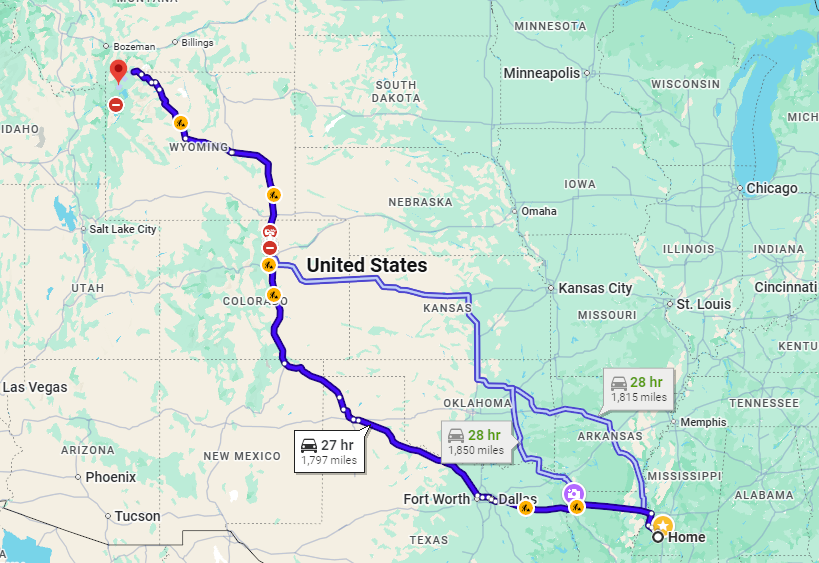
As summer gets closer, I think back to the road trips we took with our kids. Sometimes we made short drives, like a birthday trip to the Alabama coast, and other times we traveled as far as Big Sky, Montana. Our children were younger then, and since video games weren’t easy to bring, boredom was a real challenge. My youngest had a penchant for asking how far we had gone instead of the dreaded “Are we there yet?” This never-ending inquiry sent us searching for a map. We had a GPS, as did many people, so paper maps were hard to find. Eventually, we uncovered an old atlas at an even older gas station (I suspect the attendant was glad to be rid of it). From then on, we planned ahead, because we understood that direction mattered and a wrong turn could set us back. My daughter learned to read the map and guide us – especially in remote areas where GPS wasn’t available – and she helped us stay on course.
Now that experience feels far away. Most of us use phone maps, set a destination, and let technology guide us. If we miss a turn, the system recalculates and keeps us moving forward.
That’s a helpful picture of the life of faith. We make plans, encounter unexpected turns, and learn, again and again, to trust God’s guidance. The same is true in stewardship, especially when we think about the legacy we hope to leave.
In John 14, Jesus tells His disciples that He is going away. Confused, Thomas asks, “Lord, we do not know where you are going. How can we know the way?” Jesus answers with words that continue to ground generations of believers: “I am the way, and the truth, and the life.”
Jesus didn’t hand the disciples a step-by-step route. He offered Himself—the Way—and called them to trust Him, follow Him, and shape their lives around God’s purposes. Those purposes often extend beyond what we can see in the moment. Aligning our lives with God’s plan isn’t always easy; we can be tempted to insist on our own way. Yet God is faithful to lead us forward, even when we don’t have the whole picture.
In the Wesleyan tradition, stewardship means responding to God’s grace with faith and action. Our Lord calls us to use everything God has given us—our lives, resources, and opportunities—for His purposes. How we manage these gifts reveals what matters most to us and what we hope for in the future.
Planned giving and legacy stewardship grow out of this long-term view of faith. Individuals and families are called to care for God’s gifts so they can keep supporting ministry, mission, and witness for years to come. Legacy giving is open to everyone, regardless of age, life stage, or the size of a gift. Each commitment helps strengthen the church’s work into the future.
At the Methodist Foundation of Mississippi, we call this kind of generosity faith made visible over time. Legacy gifts, such as those made through wills, beneficiary designations, or endowments, help congregations and ministries stay strong and ready to respond, even after a donor’s lifetime.
Legacy stewardship and planning can be like using GPS. We don’t need to anticipate every challenge before it comes. Instead, we set a clear destination, align our resources with God’s work, and take the next faithful step. By preparing well today, we help future generations continue the journey.
We don’t follow Jesus in the exact same circumstances as the disciples did, but we are still called to follow Him through Scripture, worship, and faithful living. When our stewardship reflects generosity in the present and hope for the future, we become part of a story larger than ourselves.
Jesus is still the way, and God’s Word still directs our steps. The legacy stewardship we practice today builds a bridge to ministry that can last for generations. What gifts has God entrusted to you for the road ahead? How is He leading you to prepare now for the future?
If you’re ready to begin your legacy giving journey, reach out to us for more information. A meaningful first step may be as simple as reviewing your will, updating beneficiary designations, or exploring how an endowment could support the ministry you love. We’re here to answer questions, listen to your hopes, and help you consider options that fit your values and vision.
~Jennifer
Faithful Investing in Uncertain Times: A Guide for Church Leaders and Finance Committees
In today’s volatile market environment, church leaders and finance committees face a critical challenge: how to faithfully steward long-term financial resources while navigating short-term uncertainty. Market swings, inflation concerns, and global instability can create anxiety, but they also present an opportunity to reaffirm a disciplined, long-term investment strategy grounded in both financial wisdom and theological conviction.
The reality is that volatility is not new—it is a normal part of investing. Even well-diversified portfolios experience fluctuations as markets respond to economic cycles. Investment leaders consistently emphasize that returns will “rise and fall with the value of the investments held,” reminding us that short-term variability is expected and should not drive long-term decision-making.
For church finance committees, the key is to remain focused on mission, not momentary market movement. Long-term investment strategies are designed to grow assets over time, supporting future ministry, expanding outreach, and creating sustainable income streams through endowments.
This is where the strength of disciplined, professionally managed funds becomes evident. The Methodist Foundation’s Long Term Fund has demonstrated solid performance, with returns of 11.6% over one year and 9.7% over three years. Similarly, the Methodist Foundation Wespath Long Term Fund has delivered 12.0% over one year and 9.2% over three years. These results reflect the power of diversified, long-term investing strategies that are built to weather market cycles while pursuing growth.
Such performance underscores an important principle: time in the market matters more than timing the market. Churches that remain invested through periods of volatility are positioned to benefit from recovery and long-term appreciation. Attempting to move in and out of the market based on short-term concerns often leads to missed opportunities and diminished returns.
Beyond performance, long-term funds serve a deeper purpose in the life of the church. They enable congregations to think generationally. Endowments funded through long-term investments provide ongoing income that can support missions, scholarships, staffing, and community outreach for decades to come. In this way, financial stewardship becomes a form of legacy ministry—impacting not only today’s congregation but future generations as well.
At the same time, prudent financial management requires balance. While long-term investments focus on growth, churches also need liquidity and stability for operational needs. The Methodist Foundation of Mississippi addresses this through its Short Term Fund, which offers a stable rate of 5.35% on the daily balance, recently affirmed by its Investment Committee. This fund provides full liquidity, no fees, and consistent returns, making it an ideal solution for reserves, operating funds, and near-term ministry needs.
Together, these strategies—long-term growth and short-term stability—form a comprehensive approach to church financial management. Finance committees should consider allocating resources across both types of funds, aligning investment horizons with ministry timelines.
Leadership also plays a crucial role in communicating this vision to the congregation. Transparency, education, and a clear articulation of purpose help build trust and encourage generosity. When members understand that their giving is not only meeting immediate needs but also building a foundation for future ministry, it deepens engagement and commitment.
Ultimately, managing church investments in a volatile market is not about avoiding risk entirely—it is about stewarding resources wisely in light of God’s mission. By embracing long-term growth strategies, leveraging stable short-term options, and maintaining a disciplined perspective, church leaders can navigate uncertainty with confidence.
In doing so, they position their churches not just to endure market volatility, but to thrive—creating lasting impact and expanding ministry opportunities for generations to come.
The Methodist Foundation of Mississippi is grateful for your partnership and always enjoys discussing these principles with you and your Finance Committee. Please reach out to Todd Marion (todd@methodistfm.org) or Michelle Veazey (michelle@methodistfm.org) or call us at 601-948-8845. We would be honored to come and visit with you and your church.
Creating a Personal Spending Plan: A Wesleyan Approach to Faithful Stewardship
In the Wesleyan tradition, financial management is never merely about numbers—it is about discipleship. John Wesley’s well-known guidance, “Gain all you can, save all you can, give all you can,” offers a framework that aligns closely with the principles found in the Saving Grace series. At its core, Saving Grace teaches that money is not an end in itself but a tool entrusted to us by God for faithful living. Developing a personal spending plan is one of the most practical and transformative ways to live out this calling.
Session one of Saving Grace, “All Manner of Good,” reminds us through James 1:17 (ESV) that “Every good gift and every perfect gift is from above.” This truth reframes our understanding of income: what we “earn” is ultimately a gift from God. In Wesleyan theology, we are not owners but stewards. Psalm 24:1 reinforces this perspective: “The earth is the Lord’s and the fullness thereof.” A personal spending plan, then, is not simply about controlling money—it is about aligning our financial decisions with God’s purposes.
Creating a spending plan begins with awareness. This involves tracking income and expenses honestly and thoroughly. Wesley encouraged Methodists to practice disciplined self-examination, and this principle applies to finances as well. Where is your money going? Does it reflect your values, your faith, and your commitments? A spending plan helps answer these questions with clarity.
The next step is intentional allocation. In Wesleyan thought, financial priorities are shaped by love of God and neighbor. This means giving is not an afterthought—it is a first response. 1 Timothy 6:17–18 (ESV) calls believers “to do good, to be rich in good works, to be generous and ready to share.” A faithful spending plan reflects this by prioritizing generosity, then addressing essential needs, saving responsibly, and managing debt wisely.
Saving also plays an important role in Wesleyan stewardship. While Wesley warned against hoarding wealth, he affirmed saving as a means of avoiding waste and preparing to meet future needs. A well-crafted spending plan includes setting aside resources for emergencies and long-term goals, enabling stability and reducing financial anxiety. This, in turn, frees us to be more generous and responsive to God’s call.
Equally important is the discipline of contentment. A spending plan grounded in faith resists the pull of consumerism and cultivates gratitude. It helps individuals distinguish between needs and wants, making room for a simpler, more purposeful life. In this way, financial planning becomes a spiritual practice—one that shapes the heart as much as the wallet.
Ultimately, a personal spending plan is not about restriction but about freedom—the freedom to live intentionally, give generously, and trust God fully. By integrating these teachings and principles from God’s Word, individuals can transform their financial habits into acts of worship and stewardship.
Reflection Questions
- When you examine your current spending habits, what do they reveal about your priorities, values, and trust in God’s provision? Where might God be inviting you to realign your financial life?
- How can you intentionally structure your spending plan so that generosity becomes a first priority rather than a leftover? What specific changes would that require?
- In what ways does your financial behavior reflect contentment or discontentment? How might adopting a Wesleyan perspective on stewardship reshape your approach to saving, spending, and giving?
Following Jesus: Faithful Stewardship and a Lasting Impact
As summer gets closer, I think back to the road trips we took with our kids. Sometimes we made short drives, like a birthday trip to the Alabama coast, and other times we traveled as far as Big Sky, Montana. Our children were younger then, and since video games weren’t easy to bring, boredom was a real challenge. My youngest had a penchant for asking how far we had gone instead of the dreaded “Are we there yet?” This never-ending inquiry sent us searching for a map. We had a GPS, as did many people, so paper maps were hard to find. Eventually, we uncovered an old atlas at an even older gas station (I suspect the attendant was glad to be rid of it). From then on, we planned ahead, because we understood that direction mattered and a wrong turn could set us back. My daughter learned to read the map and guide us – especially in remote areas where GPS wasn’t available – and she helped us stay on course.
Now that experience feels far away. Most of us use phone maps, set a destination, and let technology guide us. If we miss a turn, the system recalculates and keeps us moving forward.
That’s a helpful picture of the life of faith. We make plans, encounter unexpected turns, and learn, again and again, to trust God’s guidance. The same is true in stewardship, especially when we think about the legacy we hope to leave.
In John 14, Jesus tells His disciples that He is going away. Confused, Thomas asks, “Lord, we do not know where you are going. How can we know the way?” Jesus answers with words that continue to ground generations of believers: “I am the way, and the truth, and the life.”
Jesus didn’t hand the disciples a step-by-step route. He offered Himself—the Way—and called them to trust Him, follow Him, and shape their lives around God’s purposes. Those purposes often extend beyond what we can see in the moment. Aligning our lives with God’s plan isn’t always easy; we can be tempted to insist on our own way. Yet God is faithful to lead us forward, even when we don’t have the whole picture.
In the Wesleyan tradition, stewardship means responding to God’s grace with faith and action. Our Lord calls us to use everything God has given us—our lives, resources, and opportunities—for His purposes. How we manage these gifts reveals what matters most to us and what we hope for in the future.
Planned giving and legacy stewardship grow out of this long-term view of faith. Individuals and families are called to care for God’s gifts so they can keep supporting ministry, mission, and witness for years to come. Legacy giving is open to everyone, regardless of age, life stage, or the size of a gift. Each commitment helps strengthen the church’s work into the future.
At the Methodist Foundation of Mississippi, we call this kind of generosity faith made visible over time. Legacy gifts, such as those made through wills, beneficiary designations, or endowments, help congregations and ministries stay strong and ready to respond, even after a donor’s lifetime.
Legacy stewardship and planning can be like using GPS. We don’t need to anticipate every challenge before it comes. Instead, we set a clear destination, align our resources with God’s work, and take the next faithful step. By preparing well today, we help future generations continue the journey.
We don’t follow Jesus in the exact same circumstances as the disciples did, but we are still called to follow Him through Scripture, worship, and faithful living. When our stewardship reflects generosity in the present and hope for the future, we become part of a story larger than ourselves.
Jesus is still the way, and God’s Word still directs our steps. The legacy stewardship we practice today builds a bridge to ministry that can last for generations. What gifts has God entrusted to you for the road ahead? How is He leading you to prepare now for the future?
If you’re ready to begin your legacy giving journey, reach out to us for more information. A meaningful first step may be as simple as reviewing your will, updating beneficiary designations, or exploring how an endowment could support the ministry you love. We’re here to answer questions, listen to your hopes, and help you consider options that fit your values and vision.
~Jennifer
March Newsletter Articles
Steady Hands, Faithful Vision: A Long-Term Approach to Investing God’s Resources
 Wesleyan church leaders are entrusted with a sacred responsibility: to steward resources that ultimately belong to God for the sake of His mission. In seasons of market volatility—when headlines are unsettling, portfolios fluctuate, and uncertainty feels close at hand—it becomes even more important to anchor our decisions not in fear, but in faithful, long-term vision.
We are living in a time where financial markets shift rapidly. Inflation concerns, interest rate changes, geopolitical tensions, and economic uncertainty all contribute to short-term swings in market value. These fluctuations can tempt leaders to react quickly—pulling back, moving to cash, or attempting to “time the market.” While such responses may feel prudent in the moment, they often undermine the very goals we seek to accomplish for long-term ministry impact.
As stewards of God’s resources, we are called to something deeper than reaction—we are called to wisdom.
A Wesleyan understanding of Biblical stewardship recognizes that God is the owner of all things, and we are trustees. This perspective changes how we approach investing. We are not merely protecting assets; we are cultivating them for future Kingdom work. Endowments, reserve funds, and long-term investments exist not just for today’s needs, but for tomorrow’s ministry—funding mission, supporting clergy, resourcing outreach, and ensuring that the church remains a vibrant witness in its community for generations to come.
This is why a long-term view is essential.
Historically, financial markets have demonstrated a consistent pattern: short-term volatility, but long-term growth. While any given year—or even several years—may include downturns, the broader trajectory of diversified market investments has been upward over decades. This long-term growth is what enables church funds to outpace inflation, preserve purchasing power, and expand their capacity for ministry.
When we focus too heavily on short-term fluctuations, we risk missing this larger picture. Selling investments during downturns locks in losses. Sitting on the sidelines waiting for the “right time” often results in missing the market’s recovery—periods that can be both rapid and significant. In contrast, a disciplined, long-term approach allows us to participate in the full arc of market growth.
Emotional investing is one of the greatest threats to faithful stewardship. Fear during downturns and overconfidence during peaks can lead to decisions that are inconsistent with sound financial principles. As leaders, we must resist the urge to react emotionally and instead remain grounded in a thoughtful, well-constructed investment strategy aligned with our mission and time horizon.
Scripture calls us to wisdom, patience, and trust—qualities that are especially important in times like these. Just as a farmer does not uproot crops at the first sign of a storm, we do not abandon long-term investment strategies in response to temporary market conditions. Instead, we remain steady, trusting that faithful cultivation over time yields fruit.
A long-term investment approach also aligns with our missional calling. When we prioritize growth and market value over time, we increase the resources available for ministry. This means more scholarships, more outreach, more support for congregations, and a greater capacity to respond to the needs of our communities. By maintaining a long-term perspective, we are not just managing money—we are multiplying impact.
This does not mean ignoring risk or avoiding prudent oversight. It means building a diversified portfolio, setting clear objectives, and regularly reviewing performance—always with an eye toward long-term outcomes rather than short-term noise.
In volatile times, steady hands and faithful vision matter most. As trustees of God’s resources, we are called to look beyond the immediate moment and invest with confidence in the future God is still shaping. The markets may rise and fall, but our mission remains constant—and our stewardship must reflect that enduring purpose.
Thank you for your faithful trust and partnership with the Methodist Foundation of Mississippi. We are honored to be the shepherd of your church’s funds. Please reach out to us with any questions, concerns or thoughts as we all navigate today. We always enjoy an opportunity to come visit or talk on the phone. You can reach us at 601-948-8845, via email at todd@methodistfm.org or our website at www.methodistfm.org
Foolish or Faithful; Owner or Trustee
 In Wesleyan theology, as reflected in Saving Grace (Abingdon Press), the Gospel does more than secure our eternity—it reshapes our daily lives, including how we view and use money. Our financial decisions become an expression of discipleship. The question before us is simple but profound: Are we living as foolish owners, or faithful trustees?
Jesus offers a sobering warning in Luke 12:
“Take care, and be on your guard against all covetousness, for one’s life does not consist in the abundance of his possessions.”
And he told them a parable, saying, “The land of a rich man produced plentifully, and he thought to himself, ‘What shall I do, for I have nowhere to store my crops?’ And he said, ‘I will do this: I will tear down my barns and build larger ones…’ But God said to him, ‘Fool! This night your soul is required of you… So is the one who lays up treasure for himself and is not rich toward God.”
—Luke 12:15–21 (ESV)
The rich man in this parable was not condemned for being productive or successful. His folly was deeper—he believed the resources were his, for his purposes, and for his security. His language reveals it: my crops, my barns, my goods. This is the worldview of ownership, where money becomes a source of identity, control, and false assurance.
This mirrors the broader cultural narrative. The world tells us that money is ours to earn, ours to spend, and ultimately, ours to define our success. Accumulation becomes the goal, and self-sufficiency the measure of security. Yet Jesus calls this way of thinking foolish—not because wealth itself is evil, but because misplaced trust is.
In contrast, the biblical vision is one of stewardship. Scripture consistently teaches that God is the true owner of all things: “The earth is the Lord’s and the fullness thereof” (Psalm 24:1). We are not owners—we are trustees. A trustee manages resources on behalf of another, with accountability and purpose.
To live as a trustee is to recognize that every dollar entrusted to us carries a divine assignment. It shifts the question from “What do I want to do with my money?” to “What does God want me to do with His?” This perspective frees us from the anxiety of ownership and invites us into the joy of participation in God’s work. A Biblical view of stewardship transforms not only our hearts but also our habits—aligning our financial lives with God’s kingdom purposes.
Practically, this stewardship touches five key areas of our financial lives:
- Earning – Honoring God through diligence and integrity in our work
- Giving – Reflecting God’s generosity as a first priority, not an afterthought
- Saving – Exercising wisdom and planning for future needs
- Debt – Avoiding bondage and pursuing freedom
- Spending – Making intentional choices that align with our values
At the center of these is the discipline of a spending plan. A spending plan is not about restriction—it is about alignment. It ensures that we direct the money entrusted to us, rather than being directed by impulse, culture, or circumstance. When we assign purpose to every dollar, we move from reaction to intention, from anxiety to stewardship.
A simple approach begins with clarity: understand your income, prioritize giving, allocate for essentials, plan for saving, and set boundaries for discretionary spending. The goal is not perfection, but faithfulness—bringing order to our finances so they reflect God’s priorities.
In the end, the difference between foolishness and faithfulness is not measured by how much we have, but by how we see it. Are we owners building bigger barns, or trustees building God’s kingdom?
Questions for Reflection:
- In what ways do my financial habits reflect ownership rather than stewardship?
- How might my decisions change if I truly viewed all my resources as entrusted by God?
- What is one step I can take this week to better align my earning, giving, saving, debt, or spending with God’s purposes?
Hope, Sacrifice, and Generosity: A Holy Week Reflection

Growing up in the Catholic faith, Holy Week was a time of prayer and quiet thought. I remember being nine or ten, tears streaming down my face in church as everyone around me chanted, “Crucify Him!” For the first time, the weight of Christ’s sacrifice truly struck me. My parents, embarrassed, tried to hush me, but after the service, our priest softly told me my tears were a gift, showing I understood the sorrow and the profound gift of Christ’s death and resurrection.
Even today, Holy Week makes me pause and reflect. (I haven’t been a member of a Catholic church in over 25 years.) That childhood memory returns each year, deepening my experience as I study the scriptures. When I read Matthew 27 and hear Jesus say, “My God, my God, why have you forsaken me?” I feel a wave of emotion. He repeats the first line of Psalm 22 on purpose. His cry means more than pain; it points to a psalm that moves from heartbreak to hope to victory. Jesus knew how powerful those words were.
Psalm 22 begins in shadow, heavy with abandonment. As each verse unfolds, despair and hope twist together in a whirlwind of feeling. Gradually, the tone of the psalm warms, recalling God’s faithfulness, longing for rescue, and finally bursting into a victorious cry: “He has done it!”
By choosing this psalm in his last breaths, Jesus embraced the depths of human pain and pointed us toward the promise of redemption. His words assure us that God hears our cries and that despair is never the final chapter. Remembering Christ’s victory in His resurrection reminds us of our belief. We believe that through His sacrifice, death itself has been overcome.
Just as Psalm 22 transitions from sadness to praise, the cross leads us to resurrection. Even when our prayers start in sadness and fear, God is shaping an ending bright with hope. Holy Week- sorrow shifting to silence, then joy- mirrors our own rhythms. The cross is not the end. It is the bridge from suffering to renewal, a reminder that, with God, hope always has the final word. As we carry our burdens, may we trust that every Good Friday leads to Easter, and that in Christ, every story, no matter its sorrow, can rise into light.
This same hope and trust guide our financial giving. When we offer gifts, large or small, we join the story of resurrection. We let go of comfort, trusting God to multiply what we give for His use. Our generosity becomes faith: planting seeds in uncertainty, knowing God will bring joy and abundance. As we give, may we remember acts of generosity, rooted in the cross and resurrection, that help share Christ’s hope with others.
Happy Easter. He is risen indeed! ~Jennifer
February Newsletter Articles
Stewardship as a Year-Round Narrative
 One of the most important reminders I share with groups often is the importance of talkingabout the important topics – especially money. Faithful stewardship and generosity are not side conversations in the life of the church—they are central to discipleship. In fact, apart from the gospel of Jesus Christ itself, money, possessions, generosity, and stewardship are among the most frequently discussed topics in all of Scripture. Jesus spoke about money not because it was trivial, but because it is deeply connected to our hearts, our trust, and our witness.
For Wesleyan churches, this creates both a responsibility and an opportunity. Finance committees are not merely tasked with balancing budgets and reviewing reports; they are stewards of a larger vision. The question before us is not simply “How do we fund the church?” but “How do we form a congregation that understands generosity as a joyful response to God’s grace?”
That kind of formation does not happen through a single sermon, a once-a-year pledge card, or a budget presentation in the fall. It happens when stewardship becomes part of the ongoing narrative of the congregation throughout the year. Like other important areas in the life of the church, an intentional plan around generosity and stewardship will ensure the narrative is happening throughout the year in our churches.
Why a Plan Matters
Without an intentional plan, stewardship conversations tend to be reactive—showing up only when giving is down or expenses are rising. With a plan, generosity becomes proactive, pastoral, and spiritually grounded. A year-round stewardship plan allows the church to teach, celebrate, invite, and testify to God’s faithfulness in ways that feel natural rather than transactional. Finance committees can play a key role by partnering with pastors, teachers and laity to weave stewardship into the life of the church across multiple touchpoints.
Practical Ways to Build Stewardship into Church Life
Email and Written Newsletters
Rather than focusing only on numbers, newsletters can regularly highlight stories: a ministry made possible through generosity, a mission partner supported, or a testimony of faithful giving. A short “Stewardship Moment” once a month can remind readers that giving fuels mission, not maintenance. These stories highlight the impact of our giving.
Social Media Communication
Social platforms are powerful storytelling tools. Brief posts can celebrate volunteers, share Scripture related to generosity, or spotlight community impact. A simple post such as, “Because of your generosity, this happened…” keeps stewardship visible without pressure.
Bulletins and Worship Materials
Bulletins can include rotating Scripture verses on stewardship, brief prayers of thanksgiving for offerings, or short explanations of how giving supports ministry. These small cues reinforce that generosity is an act of worship.
Sunday School and Small-Group Curriculum
Stewardship education should not be limited to adults during budget season. Incorporating age-appropriate lessons on money, contentment, and generosity into Sunday School and small groups helps form disciples at every stage of life. Wesleyan theology offers a rich framework for teaching money as a tool for holiness and love of neighbor.
Volunteer and Service Opportunities
Generosity is not only financial. Connecting giving to hands-on service—food ministries, mission trips, local partnerships—helps congregants see stewardship as a holistic way of life. Service often becomes the bridge that opens hearts to financial generosity.
Sermon Preparation and the Church Calendar
Finance committees can support pastors by encouraging stewardship themes to align with the church year—gratitude during Thanksgiving, simplicity during Lent, mission during Pentecost. When preaching on stewardship is planned thoughtfully and biblically, it becomes formative rather than uncomfortable.
Moving from Anxiety to Faithful Confidence
Talking about money in church can feel risky, but avoiding the conversation is far riskier. Scripture reminds us again and again that “the earth is the Lord’s, and everything in it.” We are not owners; we are stewards. When congregations understand this truth, generosity becomes an expression of trust rather than obligation. With a clear, prayerful, year-round plan for stewardship education, churches can move from anxiety about funding to confidence in God’s provision. As generosity becomes part of the shared story of the congregation, the mission and ministry of the church—and the flourishing of the surrounding community—can be faithfully and sustainably funded.
Stewardship is not about asking for money. It is about inviting people into a deeper, freer, more joyful way of following Christ. Remember, the Methodist Foundation is here to partner with you to equip, educate and invest. We like to help you equip and educate your congregation on the critical matters of stewardship and generosity. We are able to do this through written materials, seminars, and small group sessions, presentations and group or individual meetings.
As an investment tool, we offer two long-term funds and a short-term fund. Our short-term fund currently pays 5.35% interest on the daily balance with full liquidity, no minimum amount and no fees. Your are able to access your money at any time.
Please reach out to Todd Marion (todd@methodistfm.org) or Michelle Veazey (michelle@methodistfm.org) or call us at 601-948-8845.
Saving Grace
 Saving Grace is a series which explores money management from a Wesleyan perspective with the goal of teaching God’s children to have a Godly and healthy relationship with money. I encourage you to explore the depth of resources available in this series, however, I want to walk you through an overview of each Session of the book throughout this year.
Session One: All Manner of Good — A Faithful Beginning
In our first session of the Saving Grace curriculum, we begin with a simple but life-shaping truth: everything we have is a gift from God, entrusted to us for His purposes.
The apostle James reminds us, “Every good gift and every perfect gift is from above, coming down from the Father of lights” (James 1:17, ESV). This verse anchors our understanding of stewardship. What we possess—our income, homes, retirement accounts, talents, time, influence, and relationships—does not ultimately originate from our own effort. They are gifts flowing from the gracious heart of God.
King David declares in Psalms 24:1, “The earth is the Lord’s and the fullness thereof, the world and those who dwell therein.” Nothing falls outside the scope of God’s ownership. When we confess this truth, our posture shifts from ownership to stewardship. We move from asking, “What do I want to do with my money?” to “Lord, how would You have me use what already belongs to You?”
The apostle Paul exhorts believers in First Epistle to Timothy 6:17–18 not to set their hopes on the uncertainty of riches but on God, “who richly provides us with everything to enjoy.” Notice the balance—God provides richly, and He invites enjoyment. Stewardship is not rooted in guilt or fear. It is grounded in gratitude and trust. Paul continues: “They are to do good, to be rich in good works, to be generous and ready to share.” In other words, our financial lives are meant to overflow into “all manner of good.”
The Methodist tradition captures this beautifully in the words of John Wesley: “Gain all you can, save all you can, give all you can.”
Wesley did not see financial discipline and spiritual devotion as opposites. Rather, he saw them as companions. We work diligently. We steward wisely. We give generously. The goal is not accumulation for its own sake, but faithful participation in God’s redemptive work in the world.
In a culture that often equates success with consumption, our faith calls us to something deeper. The world tells us money is security. Scripture tells us God is security. The world tells us money is identity. Scripture tells us we are children of God. The world tells us money is power. Scripture tells us generosity is power—because it reflects the very heart of Christ.
When we allow God’s Word to shape our thinking, stewardship becomes an act of worship. Every budget becomes a spiritual document. Every act of generosity becomes a testimony. Every decision about saving, investing, or spending becomes an opportunity to reflect the character of our generous God.
For church leaders especially, this vision is essential. Congregations often learn more from what we model than from what we teach. When leaders approach money prayerfully, transparently, and generously, the church becomes a community where resources are aligned with mission—supporting ministry, caring for the vulnerable, forming disciples, and expanding the Kingdom.
But this journey begins personally. Before policies and programs, there must be hearts transformed by grace. Stewardship is not first about percentages; it is about trust. It is about recognizing that God has entrusted us with resources so that we may participate in His goodness.
As we reflect on this first session, consider these questions prayerfully:
1. How has your view of money been shaped by your faith or culture? Have you absorbed messages that conflict with Scripture? Where has God’s Word corrected or affirmed your assumptions?
2. What does it mean to see money as a gift entrusted by God? How would your daily decisions change if you truly believed you were managing God’s resources rather than your own?
3. Where do you see opportunities for money to be used for good in your life? In your family? In your church? In your community? In ways that reflect Christ’s love?
May this first step in Saving Grace reorient our hearts. May we become people who gain faithfully, save wisely, and give joyfully. And may our stewardship—shaped by Scripture and empowered by faith—bear witness to the abundant generosity of our Lord. Let’s walk a journey towards a deeper understanding of God’s principles on stewardship, money and all He has entrusted to His children together through the year.
(The Saving Grace Series is published by Abingdon Press)
Stewardship, Legacy and the Future
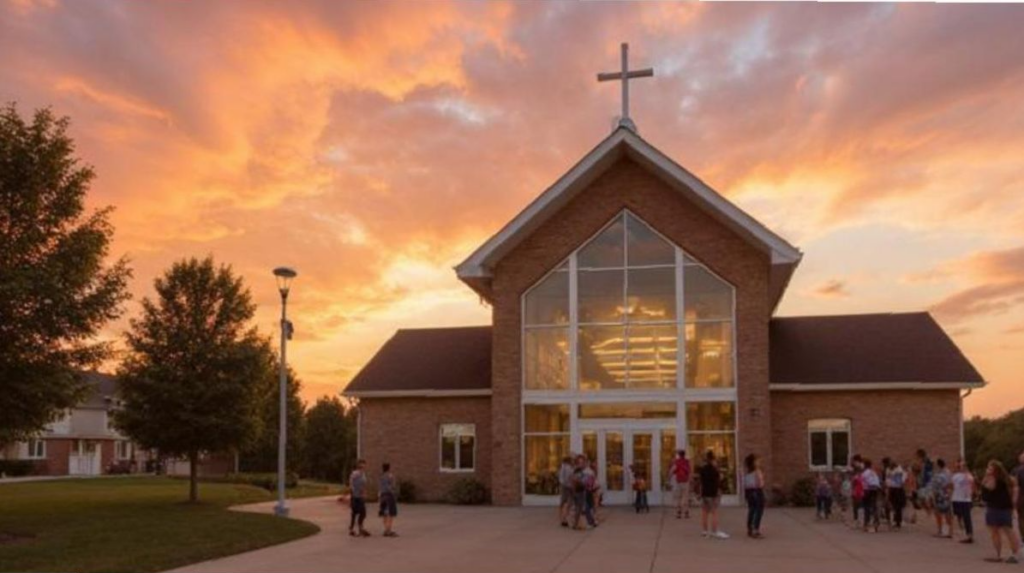
There are moments in ministry that leave an indelible mark upon the heart, and accompanying congregations through seasons of transition is one such sacred privilege. Churches experience times of flourishing and times of quieting, yet through every season, the steadfast faithfulness of God’s people remains a profound witness. As circumstances shift, congregations often enter deeper conversations about stewardship, legacy, and the future of their ministry.
One of the most tender and meaningful expressions of faithful stewardship emerges when a church begins discerning the road ahead. These conversations, though delicate, create holy space for hopeful and prayerful reflection: “Have we made disciples? Have we walked faithfully? How can our generosity continue to bless others, no matter what the future holds?”.
As congregations reflect on these questions with grace and confidence in God’s guidance, the Methodist Foundation of Mississippi is honored to walk beside them. Time and again, churches discover that establishing an Endowment is among the most powerful ways to ensure their mission endures. An Endowment is far more than a financial plan. It is a statement of trust. Trust that God will continue to guide, to provide, and to multiply the ministry long after this moment in time.
Should a congregation someday determine that its active ministry is drawing to a close, its resources can, if it chooses, form a named Endowment. Such an Endowment becomes a living testament to the church’s heart- a continuation of its prayers, its passions, and its witness. Rather than fading, the gifts entrusted to God through the Endowment continue to nourish the missions and ministries that shaped the church’s identity. In this way, even the possibility of closure can be transformed into a final act of faithfulness; like a seed planted in hope will continue bearing fruit for generations yet to come.
Throughout this journey, the Foundation offers calm reassurance:
- That the church’s identity and values can be honored.
- That its gifts may continue strengthening ministries held dear.
- That the congregation’s witness can shine far into the future, blessing lives long after weekly worship has ceased.
Planning for the future is a true expression of stewardship. It reflects the heartfelt belief that God can take what we offer today and use it to nourish tomorrow’s Kingdom work. Whether a congregation is thriving, discerning transition, or prayerfully considering its long‑term path, planting seeds through an Endowment is a powerful way to affirm: “Lord, all that we have has always been Yours. Carry this ministry forward in Your grace.”
By entrusting its resources to ongoing ministry, a congregation ensures that its story endures, its legacy deepens, and its impact continues in the love of Christ. An Endowment transforms past blessings into future harvests, reminding us that while seasons may change, the faithfulness of God remains forever constant.